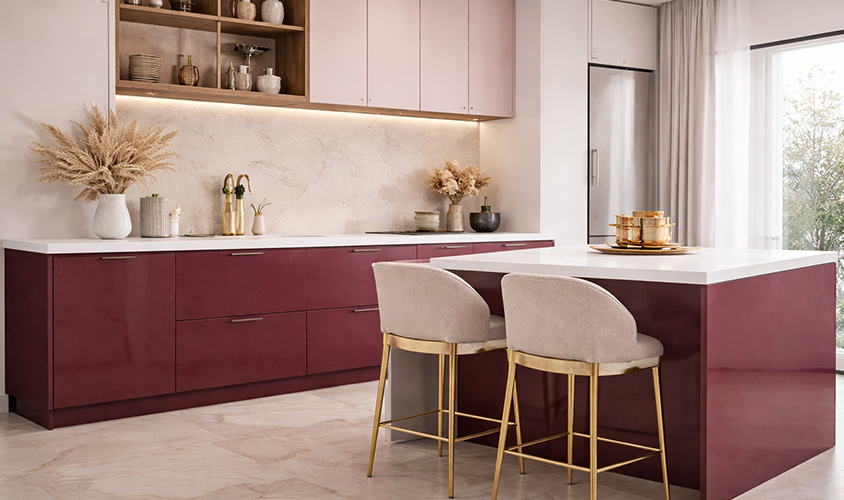
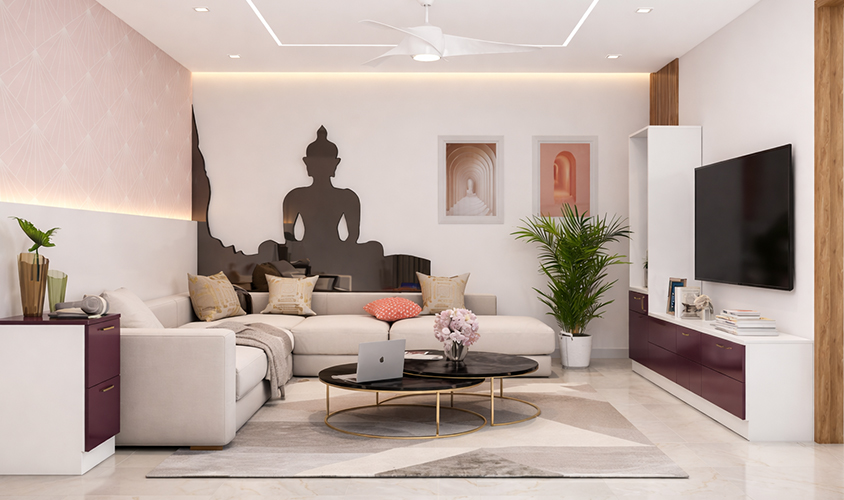
Acrylic sheets have become a preferred material for modern interiors and commercial environments due to their versatility, clarity, durability, and aesthetic appeal. From retail displays and office partitions to wall panels and decorative furniture, acrylic offers a balance of performance and design flexibility. However, choosing the right acrylic sheet for a specific project requires careful consideration of multiple factors. Making the right choice ensures long-term durability, visual impact, and cost efficiency.
The first step in selecting the right acrylic sheet is identifying its intended use. Is it for decorative wall cladding, illuminated signage, furniture surfaces, protective barriers, or exterior installations? Interior decorative panels may prioritize aesthetics and finish, while commercial counters or partitions require higher strength and scratch resistance.
For high-traffic commercial environments such as malls, offices, airports, or showrooms, durability and impact resistance are essential. On the other hand, for luxury interiors or feature walls, color richness, texture, and gloss level may be the primary focus.
Acrylic sheets are available in various thicknesses, typically ranging from thin decorative panels to heavy-duty structural sheets. Thicker sheets provide better rigidity and impact resistance, making them suitable for partitions, tabletops, and protective panels. Thinner sheets work well for wall applications, signage backing, and lightweight decorative elements.
Selecting the appropriate thickness ensures structural stability without unnecessary material cost or added weight.
One of acrylic’s strongest advantages is its wide range of finishes. Options include:
In commercial settings, frosted or tinted acrylic may be ideal for conference rooms and office partitions. For retail displays or branding elements, vibrant colored sheets or high-gloss finishes can create strong visual appeal.
Traditional materials like wood may warp, swell, or degrade when exposed to moisture and environmental conditions. Acrylic sheets, however, offer excellent resistance to weathering and UV exposure. High-quality acrylic maintains its clarity and color stability over time, even in outdoor applications.
This durability makes acrylic suitable for canopies, façade cladding, balcony panels, skylights, and external signage, ensuring long-term performance with minimal maintenance.
The finish should align with both the functional requirement and the overall design theme of the space.
Color consistency is critical, especially for branding and large-scale installations. Poor pigmentation can lead to uneven tones or visible batch variations. Always choose acrylic sheets manufactured with advanced color control processes to ensure uniformity.
For spaces exposed to sunlight, UV-resistant acrylic is essential. High-quality sheets retain their color and clarity even after prolonged exposure, making them suitable for storefronts, skylights, and semi-outdoor installations.
If your project involves bending, laser cutting, engraving, or thermoforming, ensure the selected acrylic sheet supports these processes without cracking or losing finish quality. Some grades are better suited for complex fabrication and detailed design work.
Commercial designers often require customized sizes and precise finishing. Partnering with a manufacturer known for precision production helps achieve clean edges, smooth surfaces, and reliable consistency.
In public and commercial environments, safety cannot be compromised. Acrylic is generally more impact-resistant than glass and does not shatter into sharp fragments. For hospitals, schools, malls, and offices, this feature makes it a safer alternative.
For protective screens or high-contact areas, choose sheets with enhanced strength and durability to withstand regular use.
Maintenance requirements vary depending on the application. Smooth, non-porous acrylic surfaces are easy to clean and resistant to moisture. For commercial interiors where cleanliness and appearance are important, selecting high-quality acrylic ensures long-term shine and reduced maintenance costs.
Avoid low-grade materials that may yellow, scratch easily, or lose gloss over time.
While price is an important factor, it should not be the sole deciding element. High-quality acrylic sheets may have a slightly higher upfront cost but offer better durability, reduced replacement frequency, and consistent appearance over time.
Consider long-term value rather than short-term savings. A reliable acrylic solution enhances both performance and brand perception in commercial spaces.
Choosing the right acrylic sheet for interior and commercial applications involves balancing aesthetics, functionality, durability, and budget. By carefully evaluating thickness, finish, color stability, fabrication compatibility, and safety features, you can ensure optimal performance and visual excellence.
When sourced from a trusted manufacturer committed to quality and precision, acrylic sheets become more than just a material — they become a powerful design element that enhances modern spaces with clarity, strength, and sophistication.




 10 Feb, 2026