Modern architecture is constantly evolving, driven by the need for innovative materials that combine aesthetics, durability, flexibility, and sustainability. Among these materials, acrylic sheets have emerged as a preferred choice for architects and designers worldwide. Once considered a niche alternative, acrylic is now replacing traditional materials such as glass, wood, and stone in a wide range of architectural applications.
One of the primary reasons acrylic sheets are gaining popularity is their exceptional strength-to-weight ratio. Compared to glass, acrylic is significantly lighter while offering impressive impact resistance. This lightweight nature reduces structural load, simplifies installation, and lowers transportation costs. For large façade elements, partitions, skylights, and decorative panels, acrylic provides both performance and practicality without compromising durability.
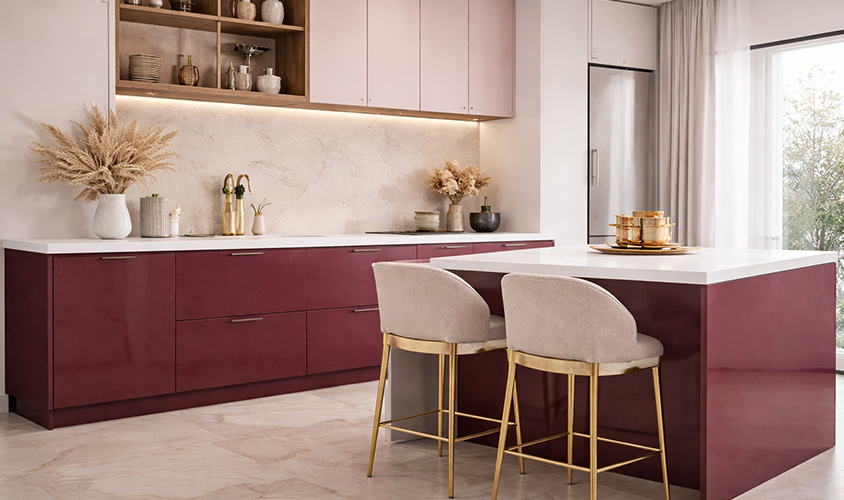
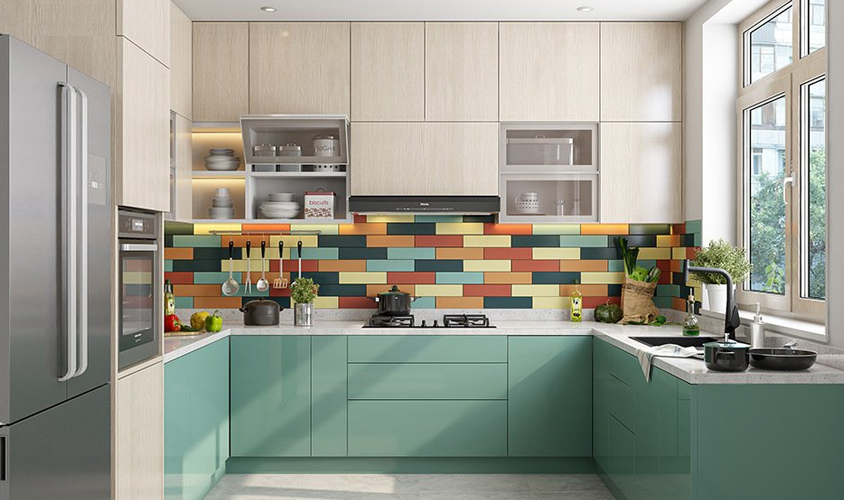
Modern architecture emphasizes clean lines, transparency, and visual fluidity. Acrylic sheets offer crystal-clear transparency, often comparable to glass, with enhanced light transmission. Additionally, they are available in a vast range of colors, finishes, textures, and special effects — from high-gloss surfaces to stone-inspired designs.
Unlike traditional materials that may require extensive finishing, acrylic sheets deliver a refined and uniform appearance straight from production. This consistency makes them ideal for contemporary interiors, retail spaces, offices, hospitality environments, and creative installations.
Architects today seek materials that adapt to bold and imaginative concepts. Acrylic sheets can be easily cut, bent, thermoformed, laser-engraved, and fabricated into complex shapes. This versatility allows designers to experiment with curves, seamless panels, illuminated features, and layered aesthetics that may be difficult or costly to achieve with stone or wood.
Whether used for feature walls, ceiling elements, signage, furniture, or partitions, acrylic supports creative freedom while maintaining structural reliability.
Traditional materials like wood may warp, swell, or degrade when exposed to moisture and environmental conditions. Acrylic sheets, however, offer excellent resistance to weathering and UV exposure. High-quality acrylic maintains its clarity and color stability over time, even in outdoor applications.
This durability makes acrylic suitable for canopies, façade cladding, balcony panels, skylights, and external signage, ensuring long-term performance with minimal maintenance.
Natural stone and high-quality glass can be expensive in terms of both material and installation costs. Acrylic sheets provide a cost-efficient alternative while replicating premium aesthetics. Stone-look or textured acrylic panels, for instance, offer the appearance of heavy materials without their associated weight and labor challenges.
Reduced breakage risk during handling and installation further contributes to overall cost savings, making acrylic an economically smart choice for large-scale commercial projects.
Safety is a critical consideration in modern construction. Unlike glass, acrylic does not shatter into sharp, dangerous fragments upon impact. Its impact resistance makes it suitable for public spaces such as malls, airports, hospitals, and schools where safety standards are stringent.
The combination of strength and flexibility provides peace of mind while maintaining a sleek architectural finish.
With increasing focus on sustainable architecture, materials that support energy efficiency and long product life cycles are in demand. Acrylic sheets allow excellent light transmission, reducing the need for artificial lighting in certain applications. Their durability also minimizes replacement frequency, contributing to resource efficiency over time.
Additionally, many manufacturers are improving production processes to reduce waste and enhance environmental responsibility, aligning acrylic with modern green building goals.
Unlike wood that requires polishing or stone that may need sealing, acrylic sheets are relatively easy to clean and maintain. Their smooth, non-porous surface resists stains and retains its finish for years. This low-maintenance advantage is particularly valuable in commercial environments where upkeep costs can be significant.
The shift from traditional materials to advanced alternatives reflects the changing demands of modern architecture — lighter structures, faster installation, innovative aesthetics, and long-term durability. Acrylic sheets successfully meet these requirements, making them a preferred material for contemporary projects.
As architectural trends continue to embrace transparency, bold colors, textured surfaces, and sustainable design principles, acrylic sheets are positioned to play an even larger role in shaping the built environment.
In today’s dynamic design landscape, acrylic is no longer just an alternative — it is a forward-thinking material redefining modern architecture.




 15 Jan, 2026